
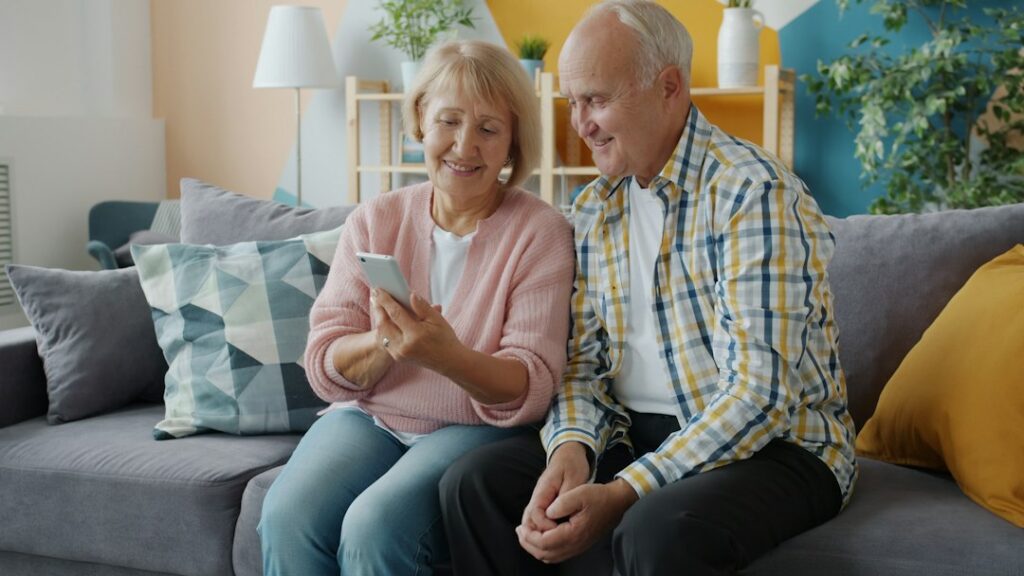
Technology is now part of daily life in many assisted living residences. Used thoughtfully, it can support safety, communication, health monitoring, independence, and social connection without replacing personal care.
For residents and families in Lemoyne, technology may be especially useful during winter weather, power interruptions, transportation challenges, or periods when family members cannot visit in person. The most effective tools are usually simple, clearly explained, and matched to the resident’s preferences and abilities.
How does technology support safety in assisted living?
Technology can help staff notice problems sooner and help residents ask for assistance more easily. It should supplement attentive care, not serve as a substitute for staff presence.
Common safety tools include:
- Emergency call systems located near the bed, bathroom, and main living area
- Wearable pendants or wrist devices that allow residents to request help
- Motion sensors that identify unusual activity or a possible fall
- Door and hallway alerts for residents who may be at risk of wandering
- Smart lighting that turns on automatically at night
- Temperature, smoke, carbon monoxide, and water-leak sensors
- Video monitoring in approved common areas and building entrances
A sensor may alert staff that a resident has not moved from bed, has entered a restricted area, or may need help after a fall. These systems can be helpful, but they are not perfect. Batteries can fail, wireless connections can be interrupted, and an alert does not always explain what happened. Staff still need to respond, assess the situation, and speak with the resident.
During icy conditions or severe winter weather, automatic lighting, reliable emergency communication, and backup power planning may become particularly important. Families may wish to ask how essential systems operate during an outage.
Can technology help with medications and health care?
Yes. Digital tools can help organize medication schedules, document administration, and share certain health information with authorized members of a care team.
Medication-related technology may include electronic medication records, locked dispensing systems, reminder devices, and alerts for missed doses. These tools can reduce confusion, but they do not eliminate the need for trained staff to verify medications, observe changes in condition, and address side effects.
Some residences also use electronic records to track:
- Blood pressure, weight, blood glucose, or oxygen levels when clinically appropriate
- Changes in appetite, sleep, mobility, or mood
- Recent incidents, falls, or hospital visits
- Care-plan updates and communication with family members
Telehealth can make some appointments easier, especially when travel is difficult or a resident needs follow-up with a clinician who is not nearby. A staff member may help position the device, collect basic information, and make sure the resident can hear and see the clinician.
Telehealth does not replace every in-person examination. A provider may still need to assess mobility, breathing, wounds, cognition, or other conditions directly.
Does technology help residents remain independent?
Technology can support independence when it gives residents more control rather than creating unnecessary supervision.
Examples include voice-controlled lights, large-button phones, electronic calendars, medication reminders, accessible televisions, and tablets used for reading or video calls. A resident with limited vision may benefit from larger text or spoken instructions. Someone with hearing loss may need captions, amplified sound, or visual alerts instead of audible alarms alone.
The goal is not to make every resident use the newest device. The goal is to make everyday tasks safer and more manageable.
A useful technology plan should consider:
- Vision, hearing, hand strength, balance, and memory
- Whether the resident can charge and operate the device independently
- The resident’s comfort with privacy and monitoring
- The need for large buttons, plain language, captions, or voice commands
- What happens if the device is lost, damaged, disconnected, or ignored
Technology that is too complicated may increase frustration. A familiar, dependable tool is often more useful than a sophisticated system that the resident does not understand.
How does technology keep families informed?
Digital communication can help families stay connected to a resident’s routine, but information sharing should be based on consent and clear expectations.
Depending on the residence and the resident’s authorization, families may receive updates through secure messages, electronic care portals, video calls, or scheduled notifications. These tools can be useful when relatives live far away or cannot visit regularly.
However, a family member should not assume that an app or message system provides a complete picture of a resident’s condition. A missed notification may result from a technical problem, a change in communication permissions, or a staff workflow issue.
Before relying on digital updates, families can ask:
- Who receives alerts or care updates?
- Which events require a phone call instead of an electronic message?
- How quickly are urgent alerts reviewed?
- Can the resident change or withdraw permission to share information?
- Is communication protected by a secure system?
- Who should be contacted during an internet or power outage?

Privacy rules also matter. Health information may be protected under federal and state requirements, but residents and families should still ask how data is stored, who can view it, and whether recordings are made.
Are cameras and tracking devices allowed?
Monitoring tools raise important questions about dignity, consent, and personal privacy. The rules depend on the type of device, where it is used, who controls it, and whether the resident or a legally authorized person has provided permission.
In Pennsylvania assisted living residences, certain video monitoring may be allowed in exterior areas, entrances, exits, corridors, and common spaces under specified conditions. Audio monitoring and recording raise different concerns, and private rooms require particular care because residents have a strong expectation of privacy.
GPS devices may be considered for residents who are at risk of becoming lost, but consent and decision-making capacity are important. A tracking device should not be treated as a replacement for appropriate supervision, individualized care planning, or communication with the resident.
Families should ask for the residence’s written policy before installing a camera, tracker, smart speaker, or other connected device. Shared rooms may require agreement from roommates, and devices should never be used to record private conversations without proper authorization.
What should residents and families ask before relying on technology?
A technology feature is only useful if it works consistently and fits the resident’s needs. During a residence tour or care-planning discussion, practical questions can reveal more than a list of available devices.
Ask:
- What technology is used for emergency calls and fall response?
- How are devices tested, charged, cleaned, and maintained?
- Is there backup power for critical systems?
- What happens if internet or cellular service stops working?
- Are residents trained to use the equipment?
- How are false alarms handled?
- Who reviews health data and how quickly?
- What information is shared with family members?
- How can a resident refuse or discontinue a monitoring feature?
- Are there additional costs for optional technology?
Residents should also be told what a device cannot do. A fall detector may miss a slow slide to the floor. A medication reminder may be ignored. A video call may not reveal confusion, pain, or weakness. Clear limits help families make realistic decisions.
What is the most important role of technology?
Technology works best in assisted living when it supports human judgment, resident choice, and timely personal attention. It can make communication easier, identify potential concerns, and help residents remain connected to daily routines.
It should not be used to reduce meaningful interaction or treat every resident as a set of alerts and data points. The strongest approach combines dependable equipment with trained staff, clear privacy practices, regular maintenance, and respect for the resident’s preferences.
For households evaluating assisted living in Lemoyne, the central question is not whether a residence has the most devices. It is whether the technology is understandable, secure, maintained, and used in a way that improves everyday life without compromising dignity.
