
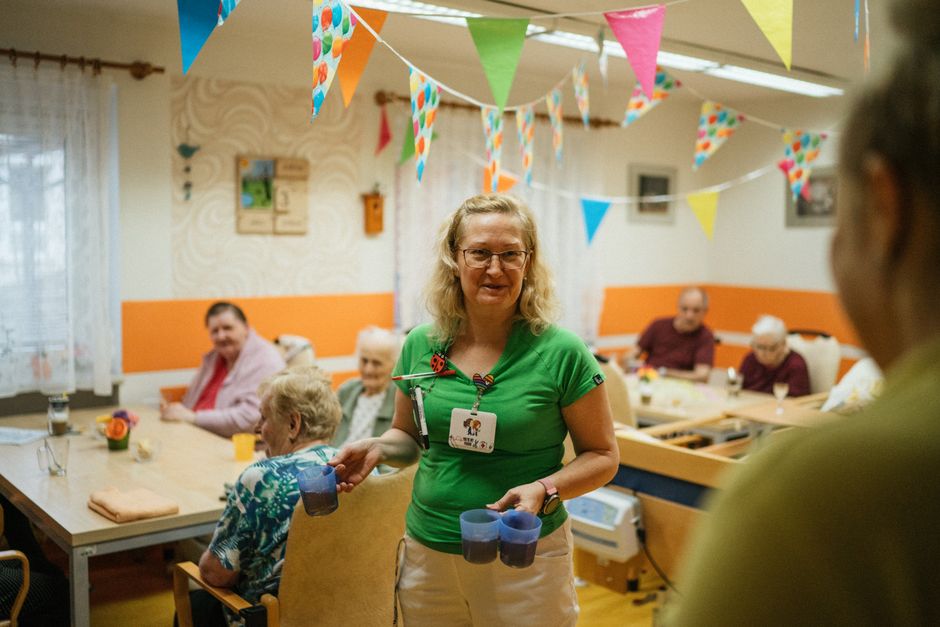
What role can assisted living play in mental well-being?
Assisted living can support mental well-being by combining daily structure, social connection, practical help, and access to health services. The setting does not eliminate loneliness, anxiety, grief, or depression, but it can reduce some of the conditions that make those concerns harder to manage alone.
For older adults in Lemoyne, the transition to assisted living may follow a period of increasing difficulty at home. Managing meals, medications, transportation, housekeeping, bathing, or seasonal safety concerns can become stressful. Appropriate support may allow a resident to spend less energy on daily obstacles and more time on relationships, interests, rest, and meaningful activities.
Mental well-being includes more than the absence of a diagnosed mental illness. It also involves a sense of purpose, emotional security, independence, belonging, and confidence in handling everyday life.
How does social connection affect emotional health?
Regular contact with other people is one of the clearest ways assisted living can support emotional health. Residents may share meals, attend activities, talk with staff, or form friendships with people who live nearby.
Social connection can be especially helpful after events such as:
- The death of a spouse or close friend
- Retirement or loss of a familiar work routine
- Relocation away from a long-time neighborhood
- Reduced ability to drive
- Changes in hearing, vision, mobility, or memory
- Family members becoming less available because of work or distance
A resident does not need to participate in every group activity to benefit from community life. A brief conversation in a common area, sitting with others during a meal, or attending a music program may be a realistic first step for someone who feels shy or overwhelmed.
Families should also remember that living around other people does not automatically prevent loneliness. A resident may still feel isolated in a busy setting. Staff and relatives can look for signs that a person is present physically but not socially engaged.
Can assisted living provide structure without taking away independence?
A predictable routine can reduce uncertainty and help residents feel more in control. Regular meal times, medication reminders, personal care assistance, activities, and rest periods create a framework for the day.
Structure is not the same as loss of independence. A supportive routine should leave room for personal choices, such as:
- Choosing when to wake up or go to bed when possible
- Selecting clothing
- Deciding which activities to attend
- Choosing preferred foods within dietary needs
- Decorating a private room or apartment
- Maintaining personal hobbies and spiritual practices
- Deciding how to spend quiet time
A common misconception is that assisted living means staff make every decision. In practice, person-centered support should consider the resident’s preferences, abilities, history, and goals. Preserving appropriate choices can strengthen confidence and reduce feelings of helplessness.
What activities may improve mood and cognitive engagement?
Activities can support mental well-being when they are meaningful rather than simply filling time. Helpful programs often include a mix of physical movement, creativity, social interaction, learning, reminiscence, and quiet relaxation.
Examples may include:
- Walking or seated exercise
- Gardening or caring for indoor plants
- Puzzles, cards, or discussion groups
- Crafts, music, or reading
- Cooking demonstrations
- Faith-based or reflective activities
- Celebrations of seasonal traditions
- Intergenerational visits
- Local outings when transportation and weather permit
The best activity is not necessarily the most popular one. Someone who dislikes large groups may prefer a one-to-one conversation, a small craft project, or time outdoors. Someone who worked with tools, children, animals, books, or music may respond well to activities connected to earlier interests.
In Lemoyne, winter cold, snow, ice, and shorter daylight hours can make outdoor routines less consistent. Indoor walking areas, bright common spaces, chair exercises, and scheduled visits may help residents stay active and connected during difficult weather.
How can assisted living reduce stress for residents and families?
Daily tasks that once seemed manageable can become a constant source of worry. A person may fear falling in the shower, forgetting a medication, missing a meal, or being unable to respond during an emergency. Family members may worry about the same issues from a distance.
Assistance with routine needs can reduce this background stress. Help with bathing, dressing, meals, housekeeping, medication organization, and transportation may provide greater physical and emotional security.
Families may also experience less strain when they are no longer expected to manage every practical detail. This can improve the quality of visits. Instead of spending all of a visit cleaning, shopping, or solving urgent problems, relatives may have more time for conversation and companionship.
That change can benefit the resident’s emotional health because family interactions become less focused on correction and crisis management.
What signs suggest a resident may need more emotional support?
Changes in mood should not automatically be dismissed as a normal part of aging. Persistent sadness, anxiety, withdrawal, irritability, confusion, or loss of interest may reflect depression, grief, medication effects, physical illness, sleep problems, or another concern.
Families and staff should pay attention to changes such as:
- Eating much less or much more
- Sleeping most of the day or struggling to sleep
- Stopping activities the person previously enjoyed
- Avoiding conversation or personal care
- Expressing hopelessness, fear, or worthlessness
- Becoming unusually restless, angry, or suspicious
- Showing a sudden decline in memory or daily functioning
A resident who talks about self-harm, not wanting to live, or being better off dead needs immediate attention. Emergency help may be necessary, especially if there is an immediate danger. Mental health concerns should be shared with the resident’s health care team so possible medical, medication-related, or emotional causes can be evaluated.
Assisted living staff can observe changes and help connect residents with appropriate services, but residential support is not a substitute for specialized mental health treatment when treatment is needed.
What should families ask about mental well-being before a move?
Families can learn a great deal by asking specific questions rather than relying only on a general description of activities. Useful questions include:
- How are residents encouraged to participate without being pressured?
- What happens if a resident becomes withdrawn?
- How are personal preferences included in daily routines?
- Are quiet activities available for people who dislike groups?
- How are family visits, phone calls, and video calls supported?
- What happens during extended periods of winter weather?
- How are changes in mood, behavior, or memory documented and communicated?
- What mental health or counseling services can be accessed through outside providers?
- How are resident rights, privacy, and personal choices protected?
Pennsylvania assisted living residences are subject to licensing requirements related to resident safety, services, activities, health care support, and access to community resources. Families should still evaluate how those requirements are carried out in daily life. The atmosphere, staff responsiveness, activity flexibility, and respect shown to residents can have a direct effect on emotional well-being.
Mental well-being is supported through many ordinary moments: a familiar routine, a welcoming conversation, a safe walk, a favorite song, a private choice, or a timely response when something feels wrong. Assisted living is most supportive when it helps residents remain connected, respected, engaged, and as independent as their abilities allow.
